




点击上方公众号名称“Decanter醇鉴”,
关注英国葡萄酒杂志Decanter官方微信号
大家期待的解析品酒词又来啦,今天我们一起来看看葡萄酒里出现的湿羊毛,李子,樱桃,香瓜的风味是怎么来的。正在学习WSET三级和四级的同学,不妨结合英文原文,学习怎么在考试中运用这些品酒词。
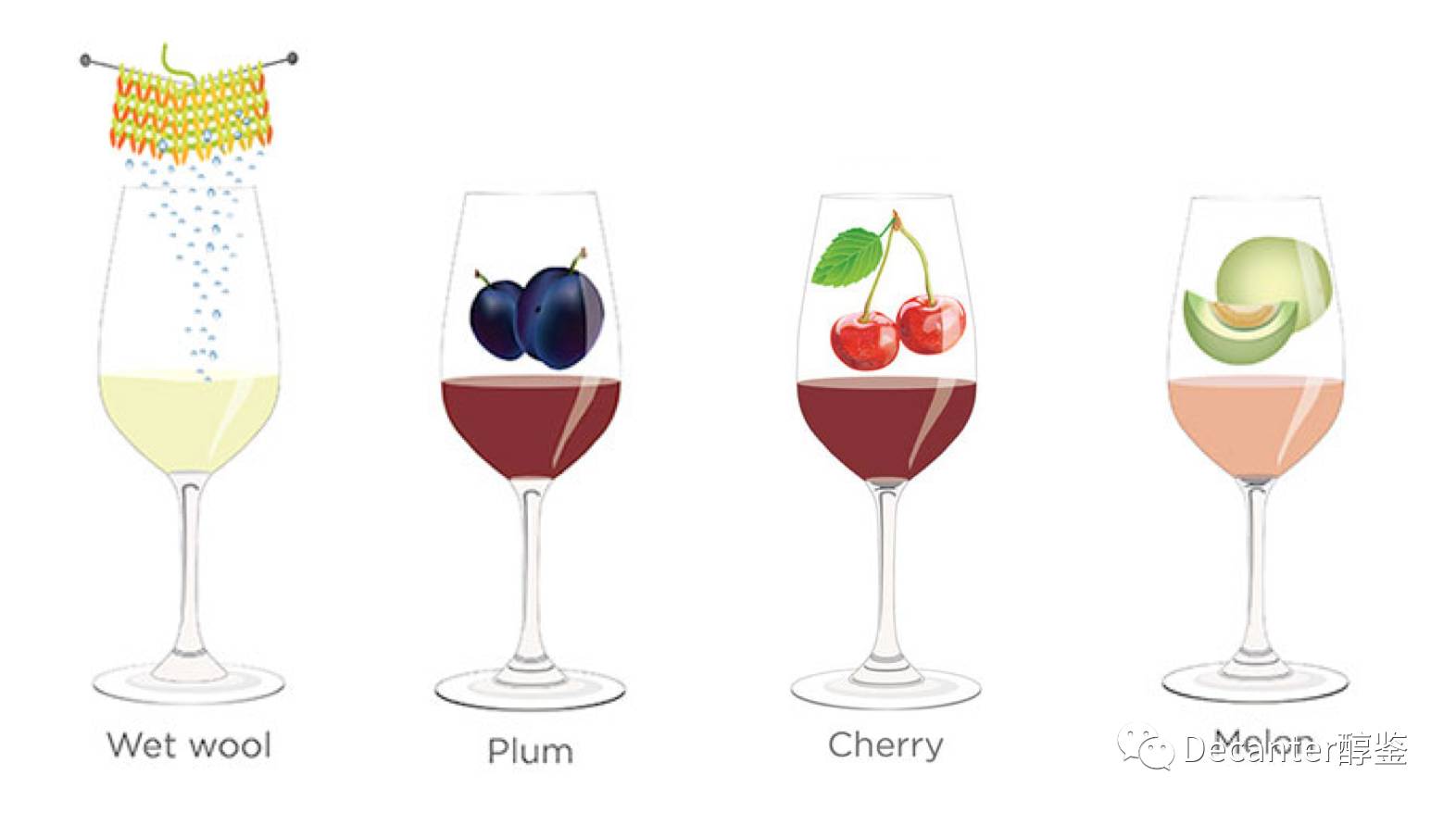
插图绘制:Annabelle Sing
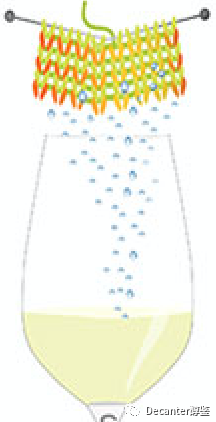
湿羊毛是一个不太能让人理解的品酒词,其描述的是潮湿并带有点泥土气息的羊毛或是近似于羊毛脂(来自于羊皮下的油脂)的风味。
湿羊毛和“橡胶(rubber)”,“农场(barnyard)”以及“带有汗味的马鞍味(sweaty saddle)”同属于“矿物味”家族。感受湿羊毛风味最好的方式便是崴一点滋润皮肤的绵羊油闻闻。或者试着在雨天穿着羊毛毛衣出门,回家之后将它卷起来放一边,潮湿的毛衣便会散发出强烈的味道。
湿羊毛究竟是指代某种特定风格的葡萄酒,还是酒变质的信号?这就要具体问题具体分析。打个比方,典型的白诗南白葡萄酒中便会有湿羊毛风味,但却是令人愉快的风味。
示例葡萄酒??
David & Nadia, David Chenin blanc,Swartland 2015
DeMorgenzon, DMZ Chenin Blanc, Western Cape2016
Doran Vineyards, Barrel Fermented CheninBlanc, Swartland 2013
使用了传统法酿造的白和桃红起泡酒同样也会带有湿羊毛风味(二级风味)。这来自于酿酒当中的硫化合物,或是酵母在酒精发酵沉淀下来酒泥。人们在后期进行的搅桶工作也会给酒带来湿羊毛的风味。起泡酒的传统酿造方法除了运用在香槟区,也用于酿造卡瓦起泡酒,某些英国起泡酒和其他地区的起泡酒也会使用传统法。
延伸阅读??
示例葡萄酒??
Louis de Sacy, Grand Cru, Champagne NV
Wiston Estate Brut, Blanc de Blancs, East Sussex 2010
受到光污染的葡萄酒也会有湿羊毛的味道。光污染指酒被暴露在强烈的光照下。透明的玻璃瓶虽然看上去美观,但会增加酒受到光污染的风险,这就是大多数酒庄偏好使用能阻挡紫外线的绿色或是棕色酒瓶的原因。
来源:《葡萄酒缺陷:成因,影响,补救》,JohnHudelson
One of the more challenging tasting notes,wet wool describes the aroma of damp and earthy smelling fleece, close to thatof lanolin — the fatty substance secreted by sheep’s skin.
In tasting terms, it belongs to the mineralflavour category, joining other peculiar yet precise notes like rubber, barnyard and sweaty saddle. Perhaps the best way to understand wet wool is toexperience it first hand by getting hold of a tub of lanolin cream, which isused for cosmetic purposes to moisturise skin. Or you can wear your woollyjumper in the rain, then leave it in a heap to go damp and pungent.
Depending on the wine, wet wool aromas caneither be an intentional mark of style, or indicative of a fault. For example,it’s typically encountered in Chenin Blanc wines and can be considered anenjoyable part of their aroma profile.
SEE: David & Nadia, David Chenin blanc,Swartland 2015 | DeMorgenzon, DMZ Chenin Blanc, Western Cape 2016 | DoranVineyards, Barrel Fermented Chenin Blanc, Swartland 2013
Traditional method sparkling white or roséwines might also express wet wool as secondary aromas, related to sulphurcompounds and yeast influences which develop from winemaking processes likefermentation, resting sur lie (on the lees) or batonnage (stirring the lees).Traditional method sparkling wines include Champagne, of course, plus Cava andalso some UK sparkling wines, as well as others.
SEE: Louis de Sacy, Grand Cru, Champagne NV| Wiston Estate Brut, Blanc de Blancs, East Sussex 2010
As a fault, wet wool aromas could be a signof light strike, aka go?t de lumière, resulting from excessive exposure to sunlight. Transparent bottles might be attractive to the eye, but they can leavethe wine more vulnerable to light strike, which is why green or UV resistantbottles are seen as safer by many producers.
Sources: Wine Faults: Causes, Effects,Cures, John Hudelson

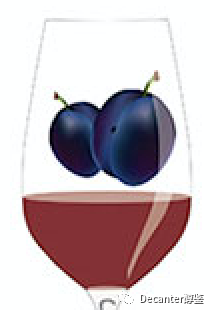
在品酒词中,我们很难将李子进行归类。因为根据李子的新鲜度和成熟状态,其可以被归为核果,红色水果或是黑色水果。
我们时常能在年轻的梅乐中找到新鲜的李子风味。当然,在以黑色水果果香为主的赤霞珠中也时常展现出黑李子的风味。
有的时候,我们会用“黑李子”或是“深色李子”描述拥有甜美果香且口感浓郁的葡萄酒,比如说使用了自于葡萄牙杜罗河岸用国产多瑞加(Touriga Nacional )和法国多瑞加(TourigaFranca)酿造的红葡萄酒。
示例葡萄酒??
Sainsbury’s, Taste the Difference Douro2015
Casa Ferreirinha, Callabriga, Douro 2014
你也可以在用其他的葡萄品种酿出的酒中找到李子的风味,比如说西拉和歌海娜的混酿:同为2015年份、分别来自罗讷谷河谷科特尼姆产区(Costières de N?mes)的Domaine de la Cadenette以及来自奥克产区的La Cabane Reserve “Grenache & Syrah”就是典型例子。
在皮埃蒙特,使用了芭贝拉(Barbera)葡萄或是一些用内比奥罗酿造的酒中,除了带有酸樱桃风味,也会有些许红李子的风味。
示例葡萄酒??
Ciabot Berton, Fisetta, Barbera d’Alba 2011
Fratelli Serio & Battista Borgogno,Cannubi, Barolo 2009
我们还会在品酒词中看到“李子酱”一词—指李子在混合糖加热后所带来的更为甜美以及复杂的风味。
在某些用桑娇维塞酿制的十分浓郁的葡萄酒中会出现李子果酱和香料的混合香气。同为2010年份、来自蒙塔尔奇诺布鲁诺(Brunello di Montalcino)的Capanna和Il Marroneto“Madonna delle Grazie“就是如此。
It’s often hard to define a single positionfor plum in the tasting note lexicon, because it can appear to span stone fruit,red fruit and black fruit categories, depending on the variety and its level offreshness and ripeness.
It is commonly associated with Merlotwines, particularly in their younger years, and may denote a fleshy characterto the wine. You will often find plum in tasting notes for fruit-drivenvarietal wines dominated by black fruits, including Cabernet Sauvignon — butnot exclusively.
Sometimes tasting notes might specify‘black plum’ or ‘dark plum’, denoting richer and sweeter flavours, as might beseen red wines from Douro, made with Portuguese varieties like Touriga Nacionaland Touriga Franca.
SEE: Sainsbury’s, Taste the DifferenceDouro 2015 | Casa Ferreirinha, Callabriga, Douro 2014
You can find plum flavours and aromas inother varieties, too, such as Syrah and Grenache blends, like Domaine de laCadenette, Costières de N?mes, Rh?ne 2015 and La Cabane Reserve, Grenache &Syrah, Pays d’Oc 2015.
In Barbera and also some Nebbiolo winesfrom Piedmont, ripe red plum notes can be intensified by influences of sourcherry.
SEE: Ciabot Berton, Fisetta, Barbera d’Alba2011 | Fratelli Serio & Battista Borgogno, Cannubi, Barolo 2009
You may also come across ‘plum jam’ intasting notes, referring to plums which have been heated with added sugar,creating more intensely sweet, complex flavours.
In powerful Sangiovese wines like Capanna,Brunello di Montalcino 2010 and Il Marroneto, Madonna delle Grazie, Brunello diMontalcino 2010, plum jam notes may combine with flavours of spice.
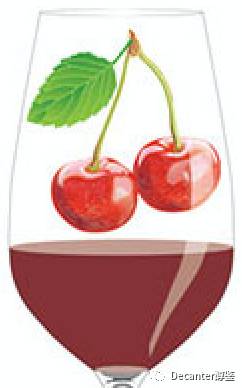
樱桃的果味十分特别,我们经常能在添加了人工香精的糖果和利口酒中找到樱桃风味。当我们在品酒中使用樱桃一词,需要明确是哪一种樱桃风味,因为樱桃有酸樱桃和甜樱桃,像黑樱桃(maraschino)和欧洲酸樱桃(morello)可有着相当大的差别。
并且,红樱桃属于红色水果果香,而黑樱桃则落在黑色水果的范畴。但无论是红还是黑樱桃,都表示了其莓果的风味既不会太甜也不会太酸,但风味却十分浓郁。
在早期的《如何读懂品酒词》中,我们曾经将樱桃风味做出如下定义:“清新活泼且带有一点酸味,但不会像黑醋栗般甜美。”
带有酸樱桃风味的葡萄酒,最经典的类型莫过于意大利北部皮埃蒙特的用内比奥罗葡萄酿造的巴罗洛和巴巴莱斯科。在来自托斯卡纳的蒙塔尔奇诺布鲁诺和奇安蒂两地,用桑娇维塞酿制的红葡萄酒中也会出现红樱桃的风味。
示例葡萄酒??
Giovanni Rosso, Barolo, La Serra, Piedmont,Italy, 2010
Pio Cesare, Barbaresco, Piedmont 2013
Bottega, Il Vino dei Poeti, Brunello diMontalcino 2010
Monteraponi, Chianti Classico, Tuscany 2014
年轻黑比诺中的樱桃风味可以同时横跨红色果味和黑色果味两种风格,来自新西兰的黑比诺在这一点上表现尤为突出,一些十分出色的新西兰黑比诺同时混合了樱桃果酱,草莓以及泥土芬芳。
用佳美来酿酒的薄若莱带有十分明显的樱桃风味。这通常来自于二氧化碳浸渍法—在进行酒精发酵前,灌入二氧化碳覆盖葡萄,让葡萄酒进行厌氧发酵。这种特殊的方法恰好保留了佳美的果香。
延伸阅读??
示例葡萄酒??
Domaine Georges Descombes, Morgon,Beaujolais 2015
Domaine de la Vo?te des Crozes, C?te deBrouilly, Beaujolais 2015
Cherries have a distinctive fruitcharacter, often replicated artificially for confectionery and liqueurs. Whenit comes to wine tasting notes, it’s important to distinguish between differentcherry forms and flavours. For starters, there are both sweet and sour cherries— think of the difference between maraschino and morello cherries.
Red cherries are seen as part of the redfruit flavour profile, and black cherries are included in the black fruitcategory. In both of these, cherries might be seen as not so sweet or tart asthe berries, yet more concentrated than fleshy plums, for example.
In Decanter’s How to read wine tastingnotes, the general character of cherry is defined as, ‘firm, vibrant fruit witha touch of acidity and none of the sweetness of, say, blackcurrants’.
Wines that can carry notes of tart cherriesinclude northern Italian reds, such Piedmont’s Barolo and Barbaresco wines madefrom the Nebbiolo grape. Red cherry notes can be found in some TuscanSangiovese wines from Brunello di Montalcino and Chianti.
SEE: Giovanni Rosso, Barolo, La Serra,Piedmont, Italy, 2010 | Pio Cesare, Barbaresco, Piedmont 2013 | Bottega, IlVino dei Poeti, Brunello di Montalcino 2010 | Monteraponi, Chianti Classico,Tuscany 2014
Young Pinot Noir wines can encompass arange of cherry flavours from red to black, particularly those of New Zealand,where some of the best examples combine cherry with hints of jam or strawberryto offset earthy notes.
Perhaps the wine most associated withcherries is Beaujolais, a red wine made from the Gamay grape. Cherry notes inthese wines are usually the product of carbonic maceration, a process in whichwhole grapes are sealed in a vessel filled with carbon dioxide prior to regularfermentation. This helps to preserve the naturally juicy and fruity characterof Gamay.
SEE: Domaine Georges Descombes, Morgon,Beaujolais 2015 | Domaine de la Vo?te des Crozes, C?te de Brouilly, Beaujolais2015
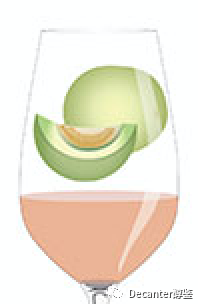
瓜类有多种不同类型—西瓜,罗马甜瓜,克伦肖瓜,哈密瓜等等。但品酒词中出现的香瓜通常指的是蜜瓜。
话虽如此,但使用了勃艮第香瓜(Melon de Bourgogne)葡萄酿造的密思卡得(Muscadet),可是一点香瓜味都没有,可别弄混了。
在品酒词中,香瓜和菠萝,荔枝以及芒果都属于热带水果风味。虽然香瓜的甜味浓度比不上菠萝,但成熟的香瓜会带有新鲜甜美的果香。
桃红葡萄酒中便时常会带有香瓜风味。
来自普罗旺斯的桃红,像2013 Domaine Gavoty,或是带有“普罗旺斯风格”的加州桃红—同为2016分别来自门多西诺县(Mendocino County)的Picayune Cellars和莱克县(Lake County)的Arnot-Roberts “Clear Lake Rosé”,便有极为明显的的香瓜风味。
使用了黑比诺,莫尼耶比诺和霞多丽混酿的桃红香槟中也会有香瓜的风味。在De Castelnau的无年份桃红香槟中,其新鲜的香瓜气息便和充满花香的蜂蜡风味完美融合在一起。
温暖产区出产的酒体丰满的白葡萄酒中也会有香瓜的气息,像来自于纳帕谷和索诺玛的霞多丽。有的意大利质量上成的灰比诺和普罗塞柯起泡酒中也会带有香瓜的气息。
示例葡萄酒??
Truchard, Chardonnay, Carneros, NapaValley, California 2014
Ronco del Gelso, Sot lis Rivis, Isonzo 2012
Masottina Extra Dry, Rivedi Ogliano, Conegliano-Valdobbiadene Prosecco Superiore 2010
Although there are many different types ofmelon – watermelon, canteloupes, crenshaw, hami to name a few – when talkingabout melon flavours in wine, we’re generally talking about those associatedwith the honeydew melon.
Do not confuse this with the French grapethat makes Muscadet wines, Melon de Bourgogne, which actually has very littleto do with melon fruit.
In the wine tasting lexicon, Melon is foundamong other tropical fruits like pineapple, lychee and mango. The flavourprofile of ripe melon is generally fruity, refreshing and sweet, although itssugar content is not normally as high as that of pineapple.
Rosé wines can be a good place to look formelon flavours and aromas.
This is particularly true for wines fromProvence, like Domaine Gavoty 2013, as well as some ‘proven?al-style’Californian rosés, such as Picayune Cellars, Rosé, Mendocino County 2016 orArnot-Roberts, Clear Lake Rosé, Lake County 2016.
Melon can also be evoked by roséChampagnes, made from varying ratios of Pinot Noir, Pinot Meunier and Chardonnay.Including De Castelnau, Rosé Champagne NV, where fruity melon is balanced byfloral beeswax notes.
Elsewhere, you might also find melon notesin full-bodied white wines from warm climates, such as Chardonnay fromCalifornian regions like Napa Valley and Sonoma County. As well as in someItalian white wines like premium Pinot Grigio, or fruit-forward Prosecco wines.
SEE: Truchard, Chardonnay,Carneros, Napa Valley, California 2014 | Ronco del Gelso, Sot lis Rivis, Isonzo2012 | Masottina Extra Dry, Rive di Ogliano, Conegliano-Valdobbiadene ProseccoSuperiore 2010
(英文版撰写:Laura Seal,编译:ICY)
第一期:氧化,肉味,饼干,灌木篱笆
第二期:煮过水果,果酱,咖啡,桉树
第三期:植物,焦油,叶子,甘草糖
第四期:蜡,乙烯基,烟熏,汽油
第五期:醛,香草,巧克力,皮革
第六期: 紫罗兰,干稻草,黑醋栗, 雪松
第七期:铁,矿石,碘,石墨
第八期:菠萝,椰子,金银花和薄荷
第九期:黄杏,薰衣草,丝绸,泥土
第十期:香蕉,红茶,蜂蜜,Dosage
第十一期:打火石,白垩土,焦糖,黄油
第十二期:葡萄干,青草,青苹果,肉桂
第十三期:太妃糖,黑橄榄,柑橘,奶油蛋卷

希望了解哪些品酒词?
在后台留言给我们
说不定下期专栏就出现了哦~
*点击左下角“阅读原文”,
查看更多葡萄酒小常识
英国权威葡萄酒杂志Decanter开通官方微信啦!
长按以下图片↓↓↓
点击“识别二维码”关注我们吧。
(或搜索微信公众号ID:Decanter醇鉴)

共有条评论 网友评论